New snacks on sale now for a limited time! Use code NEW for 15% off.
Chalkola · Tutorial
How to Draw a Portrait Using Watercolor Brush Pens
Updated Oct 2026
QUICK ANSWER
To draw a portrait with watercolor brush pens: (1) sketch facial proportions lightly in pencil, (2) build skin tones in light washes of warm earth + dusty rose, (3) layer hair in directional strokes from root to tip, (4) save white paper for highlights — water + brush-pen tip blend wet edges. Cold-press watercolor paper holds the water best.
THE WATERCOLOR BRUSH PENS THIS GUIDE COVERS
Chalkola Watercolor Brush Pens for Lettering, Coloring, Calligraphy
★★★★★4.7 · 2,113 Amazon ratings
$18.95 USD · free shipping
28 Vibrant Colors — These water color markers set offers rich colors & fine, flexible tips with 28 water pen, 2 blending markers (flat and round tip) and a 15 sheet drawing pad. They can be easily used by adults or as watercolor markers for kids.
Painting Pad — We’ve included a 15-sheet water color pad (5.8” x 8.3”) with our watercolor pens for artists. Its (200lb/300gsm) thickness and is made using acid-free, fine textured paper that’s great for use with our watercolor pens for adults
For Artists Of All Ages — Use these watercolor markers for adults coloring books, sketching or bullet journals. Chalkola water color markers pens have nylon brush tip. Perfect for beginners & as water brush pens for watercolor.
Safe and Non Toxic — Our water color pens set are non-toxic, odorless, water based and washable. This watercolor brush pens set makes a complete gift for any occasion.
There are so many different ways to draw portraits. You can do abstract, hyper realistic, cartoon-ish, doodles, sketches, and so on. One trend that’s been going around on social media is creating your own avatar or cartoonifying yourself. So let’s do just that, but instead of going the digital route, we’re doing it the traditional way!
Watercolor Brush Pens are the perfect art tool for this activity as you can easily mix and layer the colors, adjust the opacity, and apply thin and thick lines in one go with their flexible nylon brush tips. It’s literally watercolor in a pen which makes these brush pens fun and convenient to use. They also come with 2 water brush pens so you can add water, and blend and create gradient effects easily.
With that said, it’s time to draw and paint a stunning portrait!
Draw a faint outline of your portrait using a pencil.
Start adding color to the face with your skin tone of choice. Use the water brush pen to blend the color and create a semi-transparent finish.
Fill in the brows, eyes, and lips with your preferred shades. To create realistic strands for the brows and head hair, use the tip of the watercolor brush pens to draw vivid, solid lines.
Add texture and layers to the hair by applying different shades.
To make your portrait stand out, create a solid-toned background to add a striking contrast to your artwork.
Keep exploring and practicing drawing, painting, and blending, and you’ll develop your signature style in no time. Find more easy and incredible watercolor inspiration, be it using watercolor paint or watercolor brush pens, in this comprehensive list of 157 Easy Watercolor Painting Ideas. Happy creating!
Essential Brush Pen Drawing Techniques
Before starting your portrait, practice these fundamental brush pen techniques that will elevate your artwork:
Pressure Control for Line Weight
The flexible brush tip responds to pressure, giving you complete control over line thickness. Light pressure creates delicate lines perfect for facial features, eyelashes, and fine details. Medium pressure produces standard strokes for outlines and definition. Heavy pressure engages the full brush width for bold strokes ideal for hair, shadows, and filling large areas.
Water Blending & Gradients
Watercolor brush pens truly shine when you add water. Apply color directly to your watercolor paper, then use the included water brush pen to blend edges and create smooth transitions. For skin tone gradients, layer a lighter base color, add darker tones where shadows fall, then blend with water while the pigment is still wet. This technique creates the dimensional look essential for realistic portraits.
Layering for Depth
Build color intensity gradually by layering. Apply your first layer, let it dry completely, then add subsequent layers to deepen shadows and create contrast. Dry layering maintains crisp edges, while wet layering (adding color before the previous layer dries) produces softer, blended effects. Alternate between both methods for dynamic portrait drawings.
Mixing Colors Directly on Paper
Unlike traditional watercolors, brush pens let you mix colors right on your paper. Apply two colors side by side, then blend them together with a water brush for custom hues. This is especially useful for portraits—mix warm and cool tones for realistic skin, or experiment with unexpected color combinations for stylized, artistic interpretations.
Choosing the Right Brush Pens for Portrait Drawing
Not all brush pens are created equal. Understanding the differences helps you select the right tools for your portrait projects.
Watercolor vs. Alcohol-Based Brush Pens
Watercolor brush pens contain water-soluble pigments that blend beautifully with water, making them ideal for portraits with soft shading and gradients. They work best on watercolor paper or mixed media paper. Alcohol-based brush markers offer vibrant, permanent colors that blend with each other but don't reactivate with water. Choose watercolor brush pens for traditional painting effects with the convenience of a pen format.
Brush Tip Flexibility
Quality brush pens feature flexible nylon tips that snap back to their original shape after each stroke. This resilience is crucial for consistent line work throughout your portrait. Test the tip's spring-back by pressing it firmly—it should return to a point immediately. Stiff or fraying tips limit your ability to create the varied line weights that bring portrait drawings to life.
Color Selection for Portraits
Portrait work requires a thoughtful color palette. Look for sets that include multiple skin tone options (peach, tan, brown shades), hair colors (yellows, browns, blacks), and shading colors (grays, muted purples, browns). A range of 24-48 colors gives you enough variety to mix realistic tones while keeping your palette manageable. Chalkola's Watercolor Brush Pens include carefully selected hues perfect for portrait illustration and sketching.
Step-by-Step Portrait Drawing Process
Step 1: Create Your Pencil Sketch Start with a light pencil outline of your portrait on watercolor paper. Keep lines minimal—just enough to guide placement of features. Focus on proportions: eyes typically sit halfway down the head, the nose ends halfway between eyes and chin, and the mouth sits one-third of the way between nose and chin.
Step 2: Establish Base Skin Tones Select a light skin-tone brush pen and fill in the face with even, light pressure. Leave highlights unpainted (near the forehead, cheekbones, and nose bridge) to create dimension. This base layer sets your value range, so keep it lighter than your target final tone—you'll build darkness through layering.
Step 3: Add Shadows and Dimension Use a slightly darker tone or a warm gray to add shadows under the nose, beneath the lower lip, along the jawline, and in the eye sockets. Apply these shadows while your base layer is still slightly damp for soft blending, or wait until dry for more defined shading. Use your water brush to soften edges and create smooth transitions.
Step 4: Define Facial Features Switch to darker brush pens for details. Outline eyes with brown or black, adding thickness to the upper lash line. Draw the iris, leaving a white highlight dot. Define eyebrows with short, hair-like strokes. Add nostril definition and a subtle line under the nose. Outline lips and add a shadow line between them, then fill the lower lip slightly darker than the upper lip.
Step 5: Build Hair Texture Hair requires directional strokes that follow growth patterns. Use varied pressure to create thick and thin strands—this variation creates realistic texture. Layer multiple colors for dimensional hair: a medium base tone, darker strokes for depth and shadows, and lighter highlights where light hits. Blend lightly with water if desired, but maintain some distinct strokes for texture.
Step 6: Final Details and Highlights Add finishing touches: deepen the darkest shadows, strengthen feature outlines where needed, and add color to the lips and cheeks. Use a light pink or peach for a natural flush. If you have a white gel pen or opaque white paint, add bright highlights to the eyes, nose tip, and hair for extra dimension and life.
Common Brush Pen Drawing Mistakes to Avoid
Overworking Wet Layers: Continuously brushing over wet watercolor brush pen strokes lifts pigment and creates muddy colors. Apply your stroke confidently, blend once with water if needed, then let it dry. You can always add more layers after drying.
Ignoring Paper Quality: Regular printer paper buckles and bleeds with watercolor brush pens. Invest in proper watercolor paper (140 lb/300 gsm minimum) to ensure your portrait drawings maintain crisp lines and smooth color blends without warping.
Using Too Much Pressure Initially: Heavy-handed initial layers make it impossible to build gradual dimension. Start light and build darkness progressively. It's easier to add more color than to remove it from watercolor paper.
Neglecting Highlight Planning: With brush pens, white paper serves as your lightest value. Plan where highlights will appear before applying color, leaving those areas unpainted. This creates more luminous, dimensional portraits than trying to add white highlights later.
Skipping Technique Practice: Jumping straight into a portrait without practicing strokes leads to frustration. Spend 10-15 minutes on scrap paper testing pressure variations, blending methods, and color combinations before starting your final piece.
WANT TRADITIONAL WATERCOLOR INSTEAD? FULL 36-COLOR SET
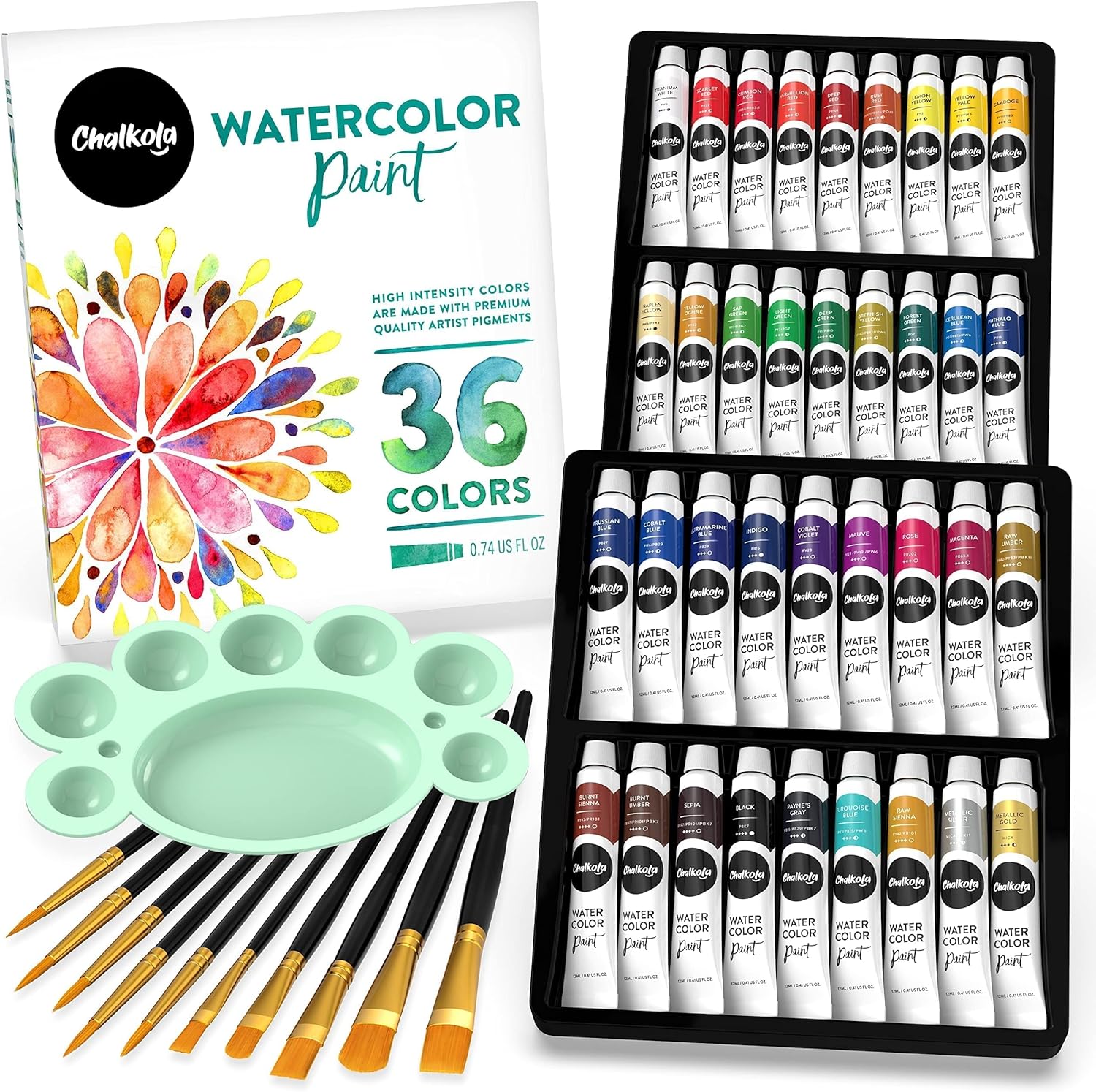
Chalkola Watercolor Paint Set for Adults & Professional Artists
★★★★★4.7 · 2,286 Amazon ratings
$29.94 USD · free shipping
Watercolor Supplies — Your premium water coloring paint set comes with 36 water color tubes (incl. metallic watercolors) , 1 watercolor palette & 10 watercolor paint brushes.
Large Selection of High Quality Artist Grade Colors — Whether you’re new to watercolors painting or a seasoned artist, this is a great professional watercolor paint set and also great watercolors for adults.
Great for gifting — Keeping your water color paints organized. These acuarelas (paints) are perfect art supplies to add to your collection today! The perfect watercolors for artists
These water paint set are perfect watercolor paints for — adults & can be used to paint on canvas, watercolor pads & more
Brush pens excel at portraits, illustrations, sketches, and any artwork requiring variable line weight. Their flexible nylon brush tips allow thin and thick strokes in one motion, making them ideal for both detailed work and bold expressions. Watercolor brush pens add blending and gradient capabilities.
Yes, watercolor brush pens blend beautifully. Apply colors directly to paper, then use a water brush pen or damp paintbrush to activate the pigment and blend edges. You can layer colors while wet for smooth gradients or wait until dry for defined layers. This makes them perfect for portrait skin tones and shading.
Watercolor paper works best for watercolor brush pens as it handles moisture without warping or bleeding. For dry brush pen techniques, smooth bristol or marker paper prevents feathering. Cold-press watercolor paper provides texture for portraits while hot-press offers a smoother surface for detailed illustrations and sketches.
Control line weight by adjusting pressure and brush angle. Light pressure with the tip creates thin lines ideal for facial details and outlines. Pressing down engages more of the flexible brush, producing thick strokes for hair and shadows. Angling the brush sideways creates medium-width strokes perfect for filling larger areas in portraits.
Watercolor brush pens are excellent for beginners. They eliminate the need for mixing palettes, water containers, and multiple brushes. The pen format offers better control than traditional watercolors while still allowing blending and layering. Their convenience and ease of cleanup make them perfect for learning portrait drawing and watercolor techniques simultaneously.
Regular paper works for dry brush pen sketches and illustrations, but it may bleed or warp when adding water for blending. For best results with watercolor brush pens, use watercolor paper or mixed media paper rated for wet techniques. This ensures your portrait drawings maintain crisp lines and smooth color transitions without feathering.
subscribe to receive special offers and new art ideas