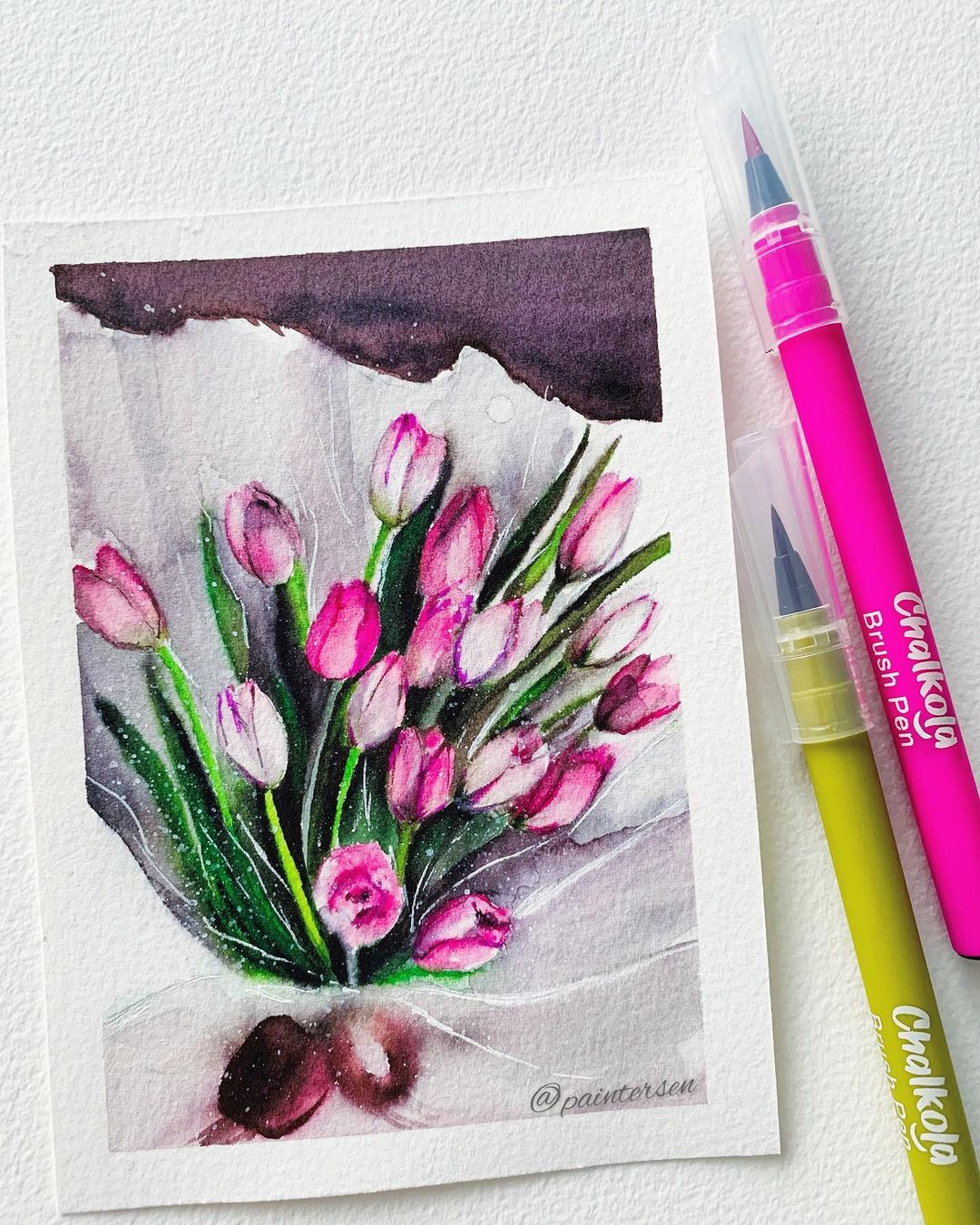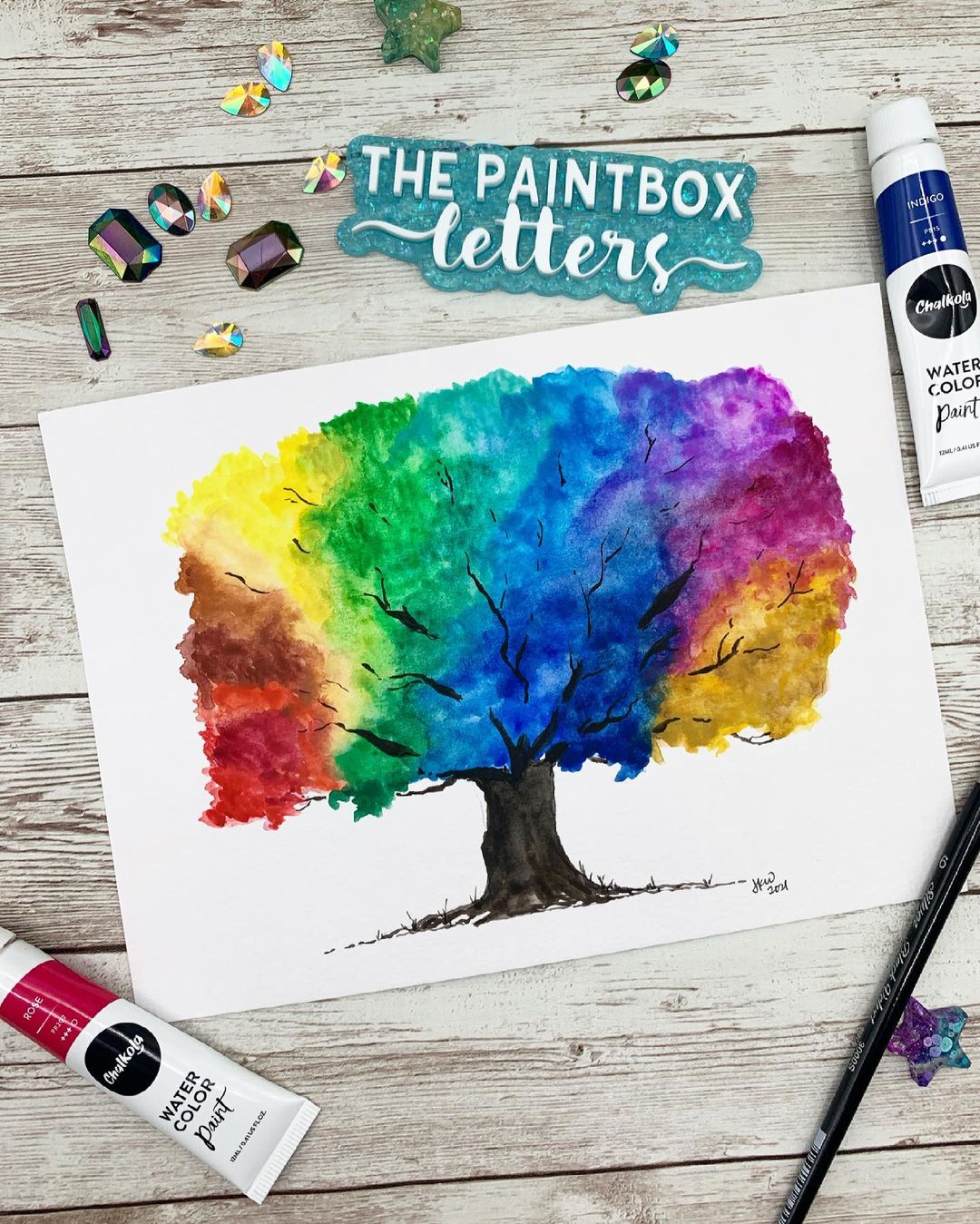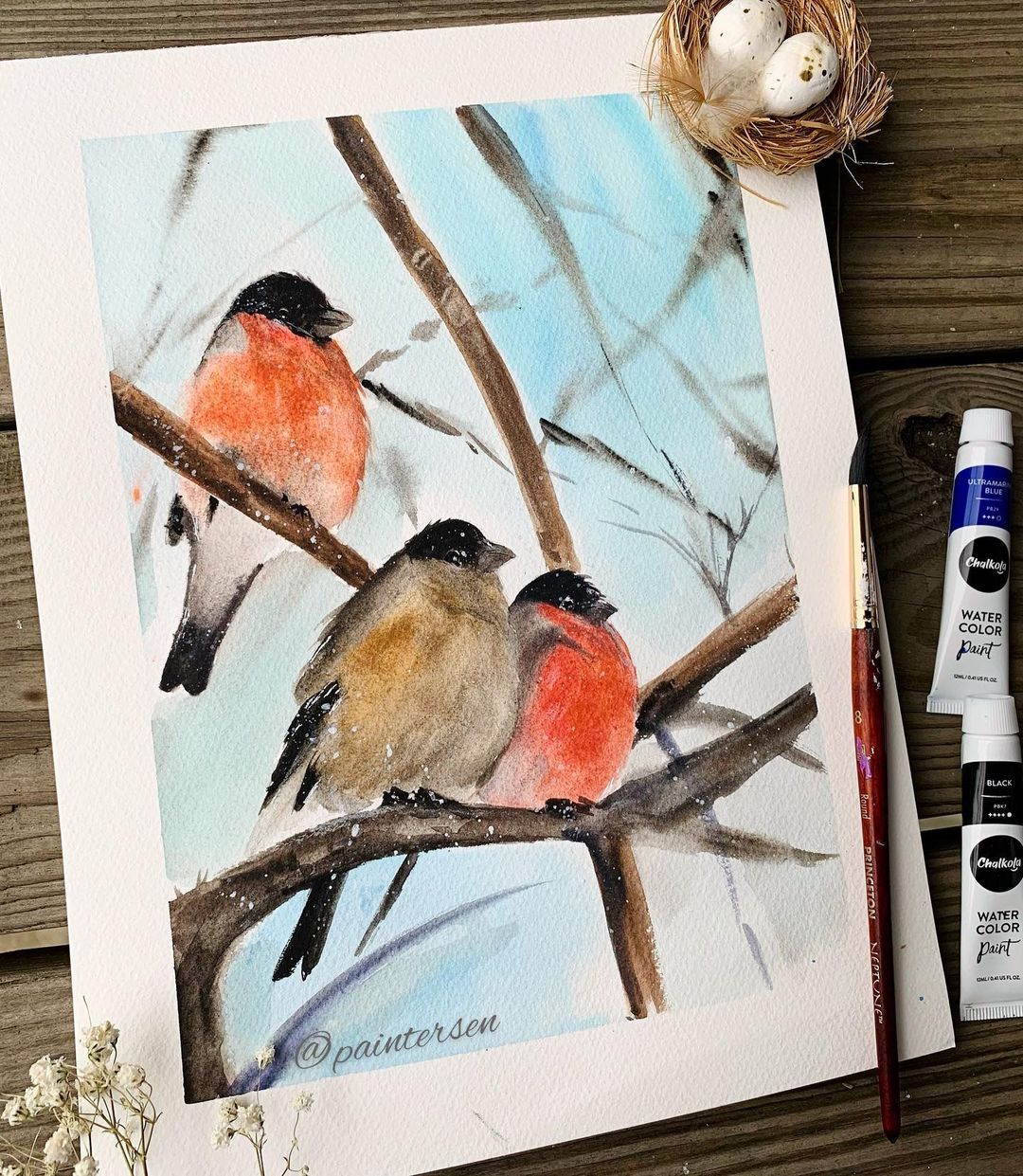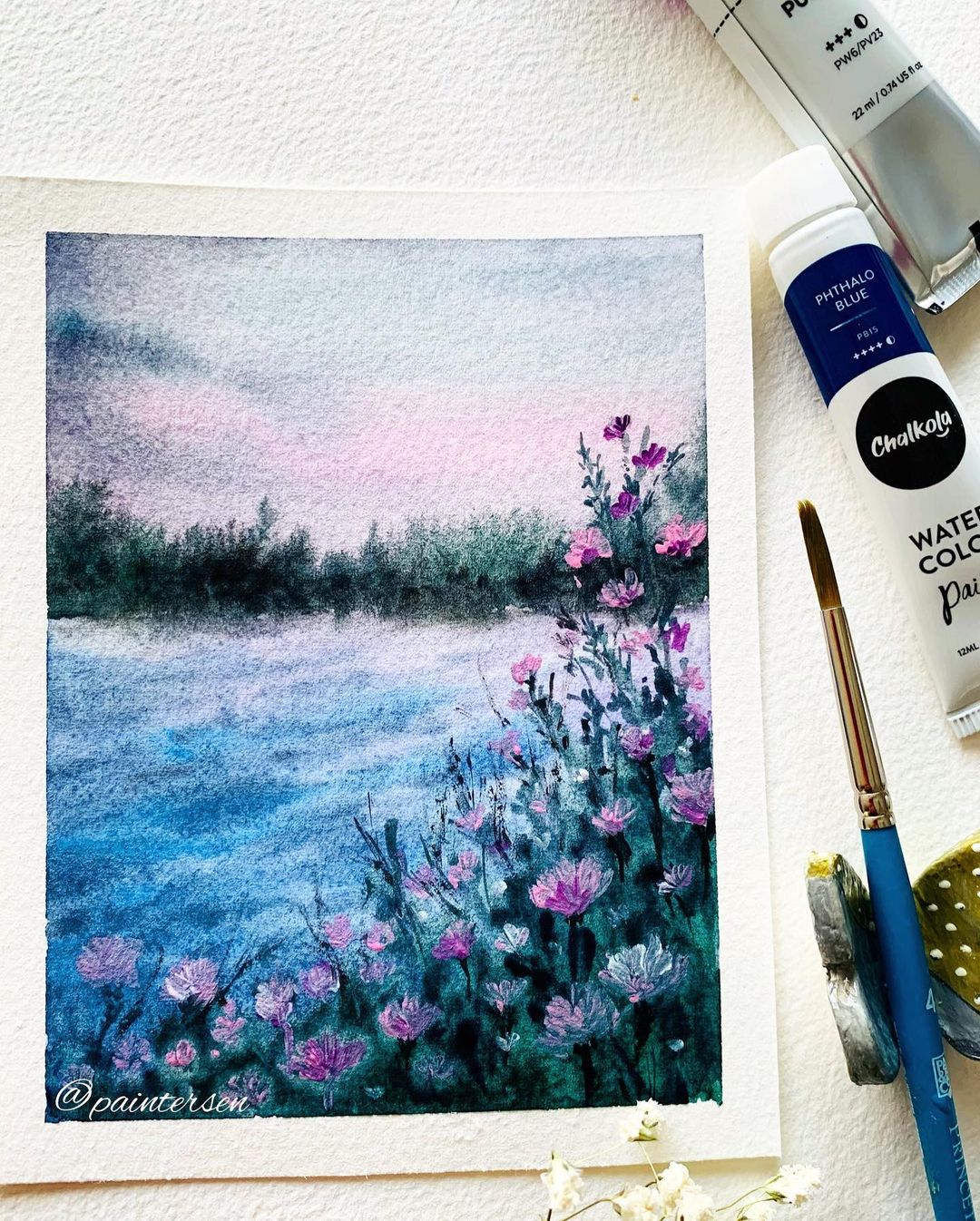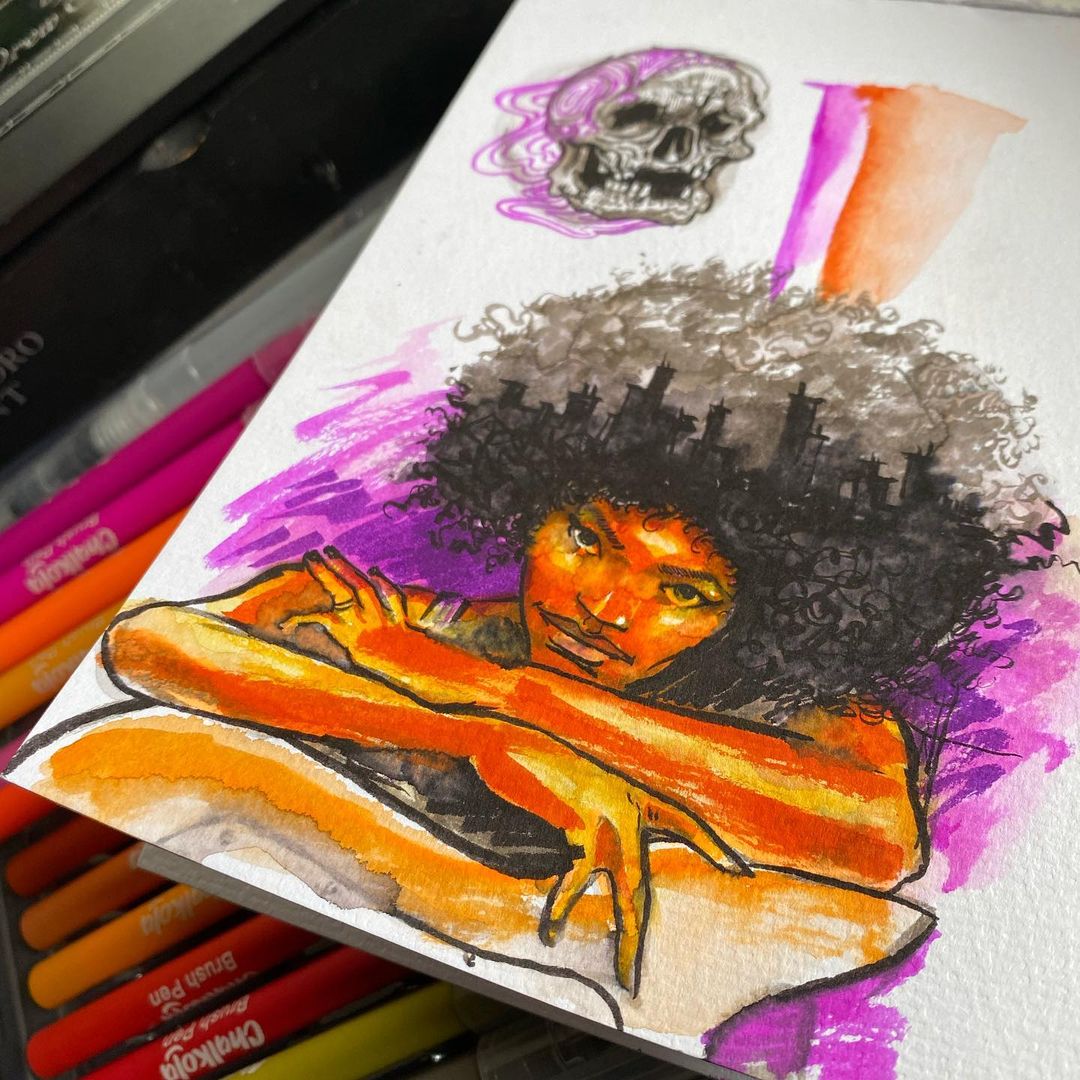


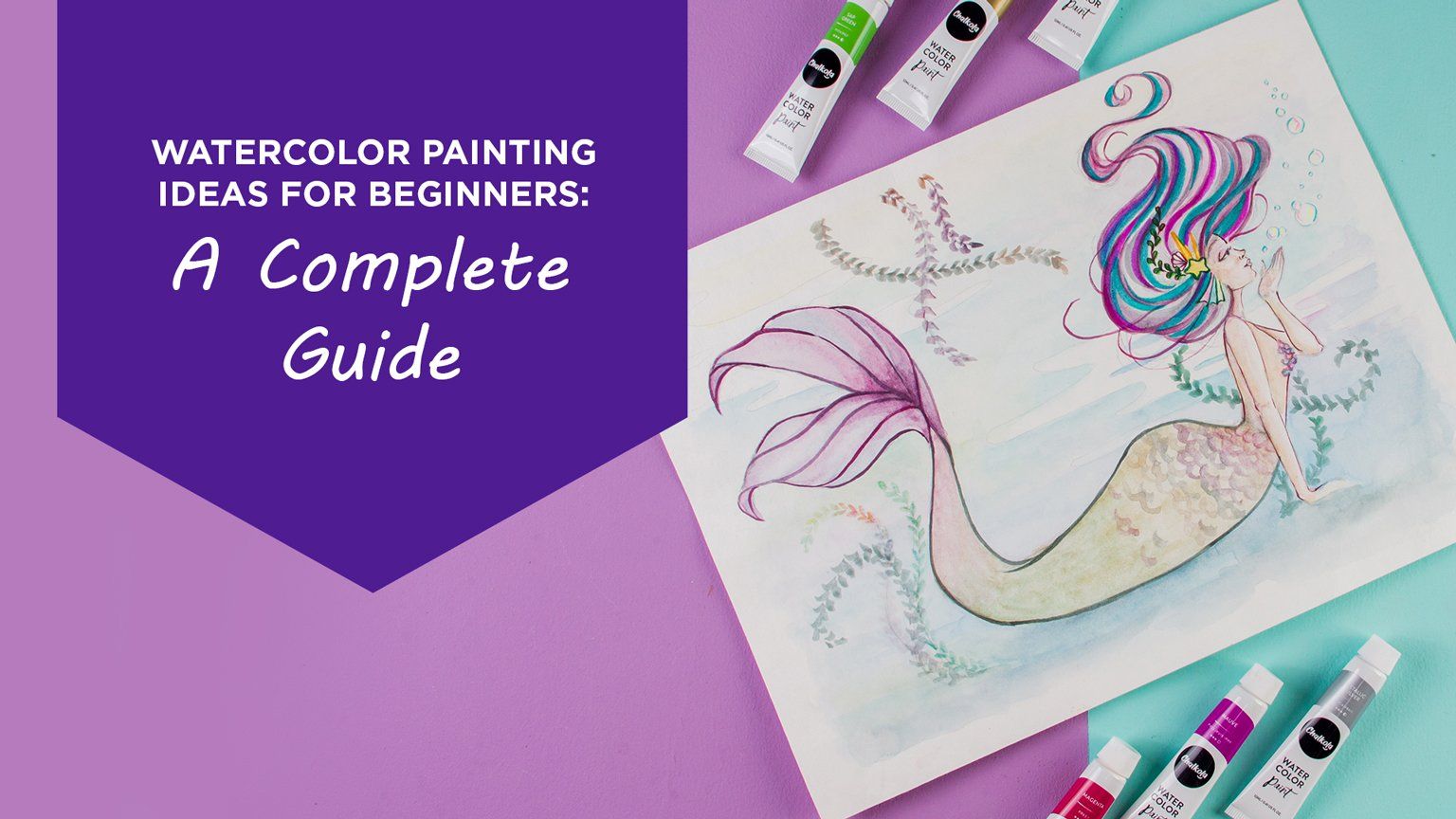

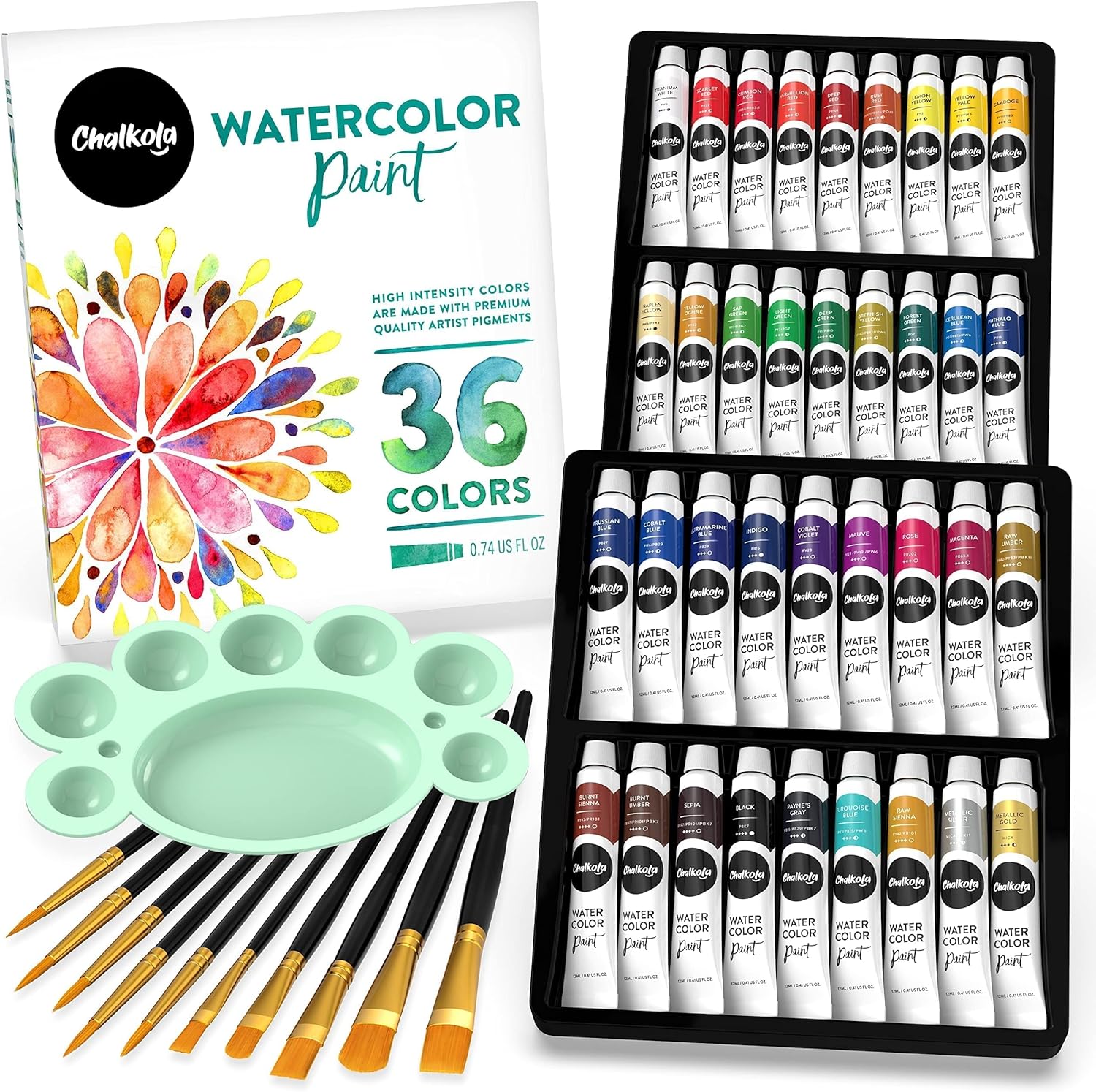


Watercolor painting is such a rewarding painting method because you get to play around with color combinations, applications, gradients, and layers, among other things. It's also an exciting way to express your creativity because it gives you the freedom to explore different techniques and create your own style.
If you're looking to get started with watercolor painting or you're looking for practice ideas to get your creative juices flowing, you've come to the right place. This comprehensive list of easy watercolor painting ideas is perfect for beginners and for those who want to get inspired to paint again.
Essential Watercolor Painting Supplies
- Watercolor paint
- Paint brushes
- Paint palette
- Watercolor paper
- Jar of clean water (or two — one for dipping clean brushes in and one for rinsing paint off your brush)
- Paper towel
- Pencil
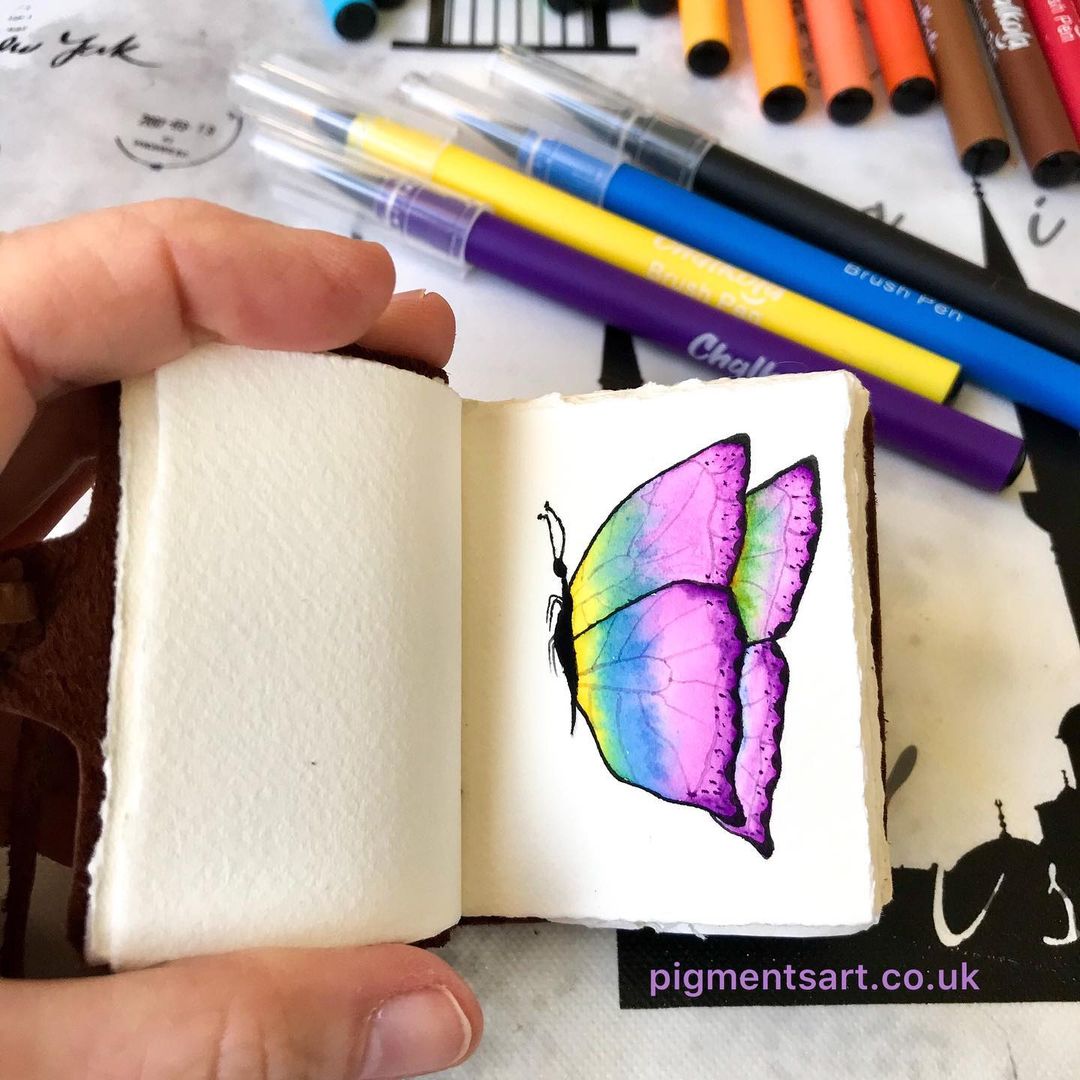
If you're always on the go, consider getting a set of watercolor brush pens that already includes 2 blending brushes and a premium painting pad, so you can practice painting whenever and wherever.
5 Important Watercolor Painting Techniques to Help You Master the Medium
-
Have a range of paint brushes
It's important to have different sizes of paint brushes so you can work on small to large pieces with ease. For smaller artworks, your brushes can range from 000 to six. Explore what works for you by practicing strokes using different sizes. It's important to note that small brushes always come in handy for little details and finishing touches.
-
Buy good quality paint
Invest in good quality watercolor paint because it will last longer, it won't degrade or discolor over time, and you won't have to use too much whenever you paint to achieve vivid colors.
-
Explore wet and dry
The two most basic factors in watercolor painting are wet and dry. As watercolor is a water-based medium, you can manipulate the opacity and saturation of the pigment depending on the amount of water you add. Find what works for you so you can easily control the paint's movement and density.
-
Always work from light to dark
Watercolor is the most flexible paint because it's blendable and layerable. So make sure to always start from light to dark by gradually applying more paint as you go along, because once you start with dark right away, it will be difficult to adjust the opacity and saturation of the paint.
-
Work clean with paper towels
For starters, paper towels can act as a paint blotter, eraser, water absorber, and brush cleaner in one. Sometimes, we apply too much paint or water which tends to bleed onto other parts of the artwork, and paper towels can help rectify this problem by gently using them to lift away the excess paint or water on your paper or canvas.
Check out this list on the different watercolor painting techniques that you can practice with.
Now onto the fun part! We hope this awesome selection of easy watercolor painting ideas spark your creativity and inspire you to start painting and creating!