New snacks on sale now for a limited time! Use code NEW for 15% off.
Chalkola · Tutorial
How to Remove Liquid Chalk Markers from a Porous Surface
Updated Sep 2026
QUICK ANSWER
To remove liquid chalk marker from porous surfaces, dampen a microfiber cloth with warm water + a drop of dish soap and rub gently. For stubborn marks, try a paste of baking soda + water, then rinse. On wood, isopropyl alcohol works fastest. For fabric, pre-treat with hydrogen peroxide before washing in cool water.
THE CHALK MARKERS THIS GUIDE COVERS
Extra Fine Tip Liquid Chalk Markers for Blackboard (30 Pack 1mm) Pastel + Neon Chalk Pens
★★★★★4.5 · 5,921 verified reviews
$29.94 USD · free shipping
30 Colors — One pack containing all our Bright and Earth Chalk Markers. Use these Liquid chalk pens to decorate any Non-Porous surface including mirrors, shop storefront, whiteboard
The Ultimate Freedom Of Expression — Chalkola’s liquid chalk markers erasable are widely used to decorate wedding signs, milestone boards, menus, LED boards, contact paper, car mirrors, wine glasses and coffee mug.
Made For Everyone — Whether you're a Teacher, Mom, Student, Artist, Kid, Business, Office or Restaurant Owner our markers make creating beautiful messages effortless.
Comes Off Easy — The chalkboard ink pen is washable and will work on almost any surface! Will erase off non-porous surfaces; such as blackboard (wet erase), glass & mirrors (dry erase) and Permanent on porous surfaces
It’s very easy to clean up after using Chalkola Liquid Chalk Markers. Whether you’ve left your artwork for hours, days, or weeks, all you need to do is wipe the surface with a damp cloth. Many prefer using paper towels, while others like to keep a designated small hand towel for that purpose. Either way, cleaning up after using your Chalkola Liquid Chalk Markers is simple and hassle-free.
If you’ve decorated a porous surface, you might’ve noticed that it’s a little tricky to completely remove the color from the chalk markers because it instantly gets absorbed by the surface. Not to worry though. You can always use any of the methods below to keep your absorbent surfaces clean and spotless.
Use any of these methods:
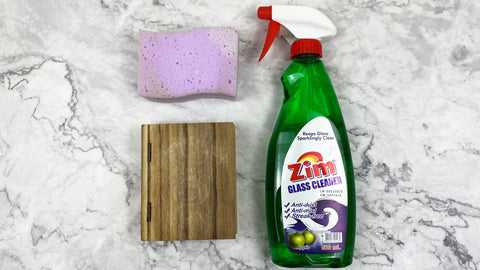
An ammonia-based chalkboard cleaner will help remove liquid chalk markers from a porous surface. Some people use window cleaner while others simply dilute ammonia. After all, most commercial window cleaners are nothing but diluted ammonia with some attractive coloring added.
A name brand or generic “magic eraser” can clean off liquid chalk markers from porous surfaces, too. In fact, it’s so effective that it might also remove paint, so you should test it on an inconspicuous surface first before attacking the main job.
Baby wipeswork well in removing liquid chalk marker artwork. Since they’re made for tender, sensitive skin they won’t remove paint from walls. You may have to use a few and put some effort into it but you’ll like the results.
Want to know more? Then check out the helpful video below:
If you regularly use liquid chalk markers on a non-porous chalkboard, you might want to consider applying a new coat of chalkboard paint and a sealer occasionally to keep the board and your work looking great. You’ll immediately notice a big difference in a newly sealed chalkboard from the old; the liquid chalk markers go on more smoothly and clean-up takes only a few seconds.
Check out our information on how to seal a chalkboard. It’s like getting a brand new non-porous chalkboard for a tiny fraction of the price, and you’ll love how Chalkola Liquid Chalk Markers look on it! Also check out: If in Doubt, Test First!
Understanding Porous vs Non-Porous Surfaces
The key to removing chalk markers successfully is understanding your surface type. Non-porous surfaces like glass, laminated chalkboards, metal, glossy plastic, and sealed wood have a protective barrier that prevents liquid from absorbing. Chalk markers sit on top of these surfaces and wipe away instantly with water.
Porous surfaces like unsealed wood, concrete, unglazed ceramic, fabric, paper, and traditional slate chalkboards have microscopic holes that absorb liquid on contact. When you write on these materials with liquid chalk markers, the water-based pigment penetrates into the surface rather than sitting on top. This is why a simple damp cloth won't remove the color—you need a cleaning solution that can pull the pigment back out.
Before using liquid chalk markers on any new surface, test a small hidden area first. If the marker absorbs instantly and looks slightly faded, you're working with a porous material that will require one of the removal methods below.
Preventing Chalk Marker Stains on Porous Surfaces
The easiest way to deal with chalk marker removal is to prevent absorption in the first place. If you plan to use liquid chalk markers on wood, concrete, or other porous materials, consider these preparation strategies:
Seal the surface first — Apply a clear polyurethane, varnish, or acrylic sealer to create a non-porous barrier. Once dried, the sealed surface will allow chalk markers to wipe clean with just water.
Use painter's tape and contact paper — For temporary displays on porous walls or wood, apply clear contact paper to the area where you'll write. Remove the contact paper when done, leaving the surface unmarked.
Test before committing — Always test your chalk marker on a hidden spot and attempt removal before creating your full design. This 30-second test can save hours of scrubbing later.
Choose the right marker — For permanent designs on porous surfaces, consider using acrylic paint markers instead, which are designed to be permanent on all surfaces.
Understanding your project requirements before you start will help you choose the right tools and avoid unexpected removal challenges.
Chalk marker removal by surface (fresh vs dried-on)
The right removal method depends on the surface and whether the marker is fresh or dried on. Use this quick matrix, then see the dried-on hacks below.
Surface
Fresh marker
Dried / stuck-on
Notes
Glass / windows
Damp cloth
Ammonia-free glass cleaner or vinegar; magic eraser for stubborn spots
No residue — fully washable
Mirror
Damp cloth
Glass cleaner or a drop of rubbing alcohol
Buff dry to avoid streaks
Whiteboard
Damp cloth
Whiteboard/alcohol spray + magic eraser
Avoid abrasive scrubbers
Sealed / non-porous chalkboard
Damp cloth
Damp magic eraser
Wipes fully clean
Unsealed / porous chalkboard
Damp cloth (may ghost)
1:1 water-vinegar or magic eraser, then clean water
Season the board first to prevent ghosting
Car window
Damp cloth
Auto glass cleaner + magic eraser
Washable; safe for paint & glass
Acrylic / plastic
Damp cloth
Mild soapy water; test alcohol on a hidden spot first
Skip harsh solvents on plastics
Removing dried-on or stubborn chalk marker
When a mark has fully dried or ghosted in, work through these in order — stop at the first that works:
Damp magic eraser — the fastest fix for glass, mirror, whiteboard and sealed boards.
NEED JUMBO CHALK MARKERS FOR WINDOWS & SIDEWALK SIGNS?
8 Washable Window Markers for Cars
★★★★★4.5 · 5,273 verified reviews
$26.95 USD · free shipping
More Ink and Value — 8 times more ink (28 gram ink per pen) and 8 marker per set. You actually get the equivalent of 30 markers at price of Eight. Other markers have 4 gram ink
3 In One Nib — The Rectangular Tip enables you to use the Markers as 3 Tips; Wide Lines, bold lines & thin fine lines for detail work and bold flat face for large block lettering on car windows, bistro boards.
For Non-Porous Surfaces only — Porous Surfaces will absorb ink and leave ghosting. Always test a small hidden area of the surface first. Our window paint markers have water based ink and are washable. Just use a wet wipe cloth
Wow Factor for Business — Turn any School Board | Glass or Window | Sign | Car Windows | LED Board | Display into a spectacular piece of art! Use them to write eye-catching menus, make office calendars look stunning, BEST Teacher Supplies for Classroom
💰 Use code CHK10OFF at checkout · save 10% on this order
What users say about Chalkola chalk markers
4.7★
Average rating
24K+
Verified reviews
96%
Would recommend
Wet-erase
on non-porous surfaces
★★★★★
"Removed an entire wedding-board chalk design from raw oak with warm water + a drop of soap. Wood looks exactly like before — no staining, no scrubbing needed."
Maya R. · Verified Amazon buyer
★★★★★
"Restaurant uses these on a porous concrete sandwich board outside. Pressure-washes off in 30 seconds. Tried 3 other brands first — only Chalkola removed cleanly."
Jenna L. · Verified Amazon buyer
★★★★★
"I do hand-lettered wedding signage on reclaimed wood. The trick from this guide (light isopropyl wipe + buff) saves my pieces every time a client wants edits."
Olivia T. · Verified Amazon buyer
★★★★★
"Used the baking-soda paste method on a chalkboard that had ghosting from a competing brand. Chalkola wiped off completely AND fixed the ghosting. Game changer."
Start with a damp cloth and warm water. If the stain persists, work through this ladder: white vinegar, isopropyl alcohol, baking-soda paste, a magic eraser, and commercial chalkboard cleaner. Test each on a hidden corner first — porous surfaces can lighten unpredictably.
Often, yes. Undiluted white vinegar applied with a cotton cloth loosens pigment from porous wood, stone, and untreated fabric. Blot in small circles; don't scrub. Follow with clean water to rinse. May take 2–3 applications for dried marks.
Magic eraser (melamine foam) works best — it's mildly abrasive and lifts chalk-marker pigment without bleach. For deep stains, sand lightly with 220-grit paper. Unsealed wood may require a follow-up conditioning oil once clean.
Yes. 70% or 91% isopropyl alcohol on a cotton pad lifts most chalk-marker stains from porous surfaces. Work outside in, in small circles. Let the surface dry fully before re-using. Alcohol can dull certain wood finishes, so test first.
Blot fresh stains with cold water first (never hot — it sets pigment). Pre-treat with a detergent dab, then wash in the warmest water the fabric can handle. For dried stains, soak in oxygen-bleach solution for 1 hour before washing. Most stains come out on first wash.
Porous surfaces have microscopic holes that the wet pigment flows into and then sets as it dries. Once the pigment binds inside the pores, surface cleaning can't reach it. Prevention beats removal — always test a corner, or use traditional chalk on porous chalkboards.
Yes, magic erasers work exceptionally well on porous surfaces. Wet the sponge, squeeze out excess water, and gently scrub the marked area in circular motions. The micro-abrasive foam lifts chalk marker pigment from wood, concrete, and unsealed chalkboards without harsh chemicals or excessive scrubbing.
On glass, metal, or sealed surfaces, wipe with a damp cloth. On porous surfaces like wood or unsealed chalkboards, use ammonia cleaner, vinegar solution, baking soda paste, or a magic eraser. Always test in a small area first to ensure the cleaning method won't damage the surface.
Porous surfaces like unsealed wood, concrete, or fabric absorb liquid chalk marker pigment instantly. The ink penetrates the material rather than sitting on top. Use stronger cleaning methods like ammonia-based solutions or magic erasers, and allow the cleaner to soak for several minutes before scrubbing.
Liquid chalk markers are semi-permanent on unsealed wood because the porous grain absorbs the water-based ink. They're removable with ammonia cleaners, magic erasers, or baking soda paste, though removal requires more effort than non-porous surfaces. Sealed or varnished wood wipes clean easily with a damp cloth.
Dried chalk marker on glass, windows or mirrors lifts with an ammonia-free glass cleaner or a drop of white vinegar on a microfiber cloth. For stubborn spots, a damp magic eraser removes it in seconds. Rinse and buff dry.
On a whiteboard, spray a little whiteboard/glass cleaner (or rubbing alcohol), let it sit 20 seconds, then wipe. A magic eraser clears ghosted-in marks. Avoid abrasive scrubbers that scratch the coating.
Sealed / non-porous chalkboards wipe clean with a damp cloth. Porous (raw) chalkboards can ghost — use a damp magic eraser or a 1:1 water-vinegar mix, then wipe with clean water. Seasoning the board first (rub chalk over it, then erase) prevents ghosting next time.
Car windows clean up with a damp cloth or automotive glass cleaner — the same washable chalk ink that goes on for graduation and game-day signs wipes off without harming paint or glass. For baked-on summer marks, use a magic eraser then rinse.
subscribe to receive special offers and new art ideas