New snacks on sale now for a limited time! Use code NEW for 15% off.
The Chalkola Review · Acrylic Painting · Tutorial
Abstract Garden Painting Using Acrylics with Debbie Grossman
Updated Oct 20267 min readBeginner-friendly
The brief
Abstract garden painting interprets flowers, foliage, and natural landscapes through color, shape, and emotion rather than realistic representation. Artists use bold brushstrokes, vibrant hues, and expressive techniques to capture the feeling of a garden without painting every botanical detail accurately.
EVERYTHING YOU NEED — 40 ACRYLIC COLORS + EASEL
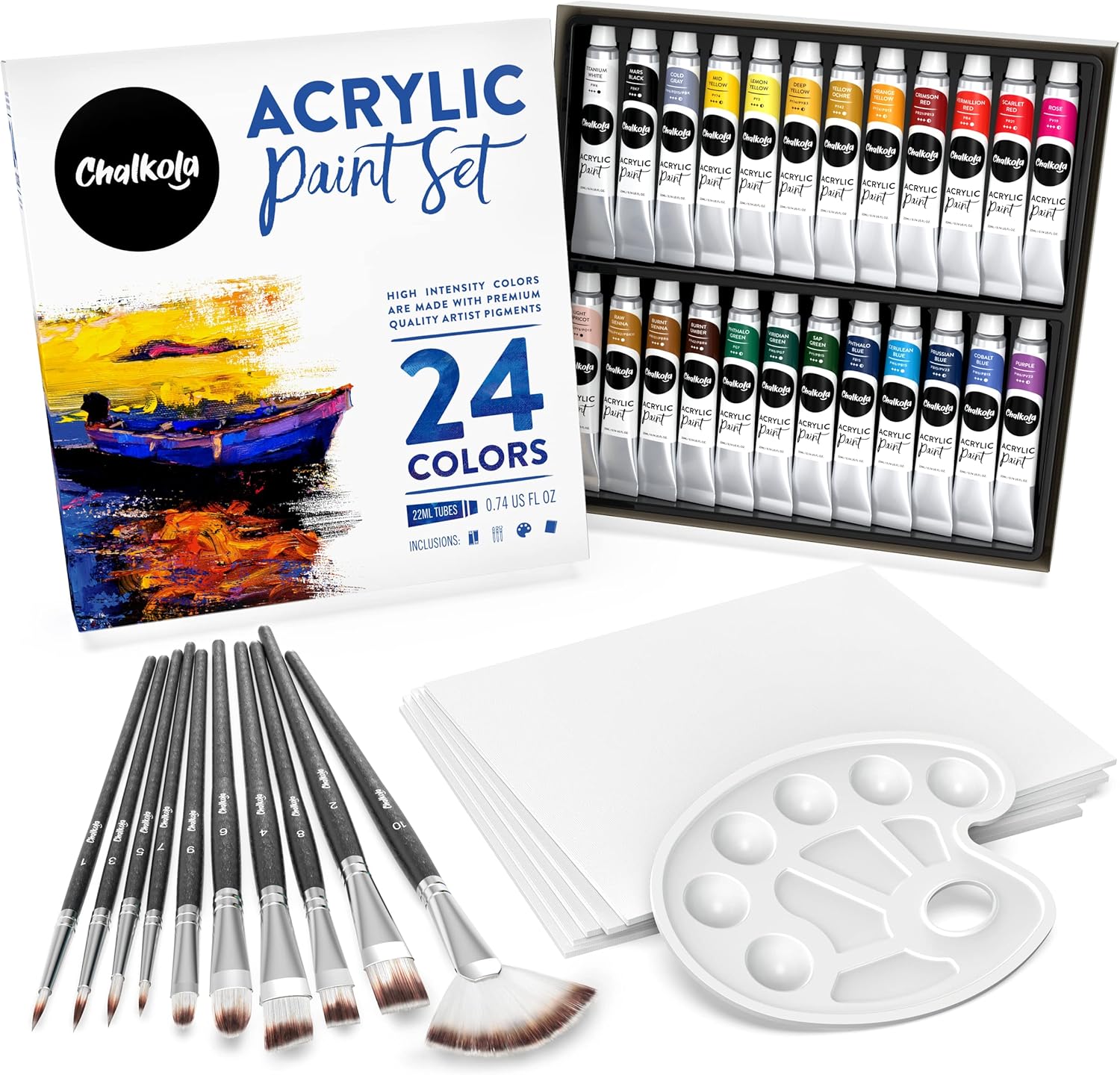
Chalkola 40 Acrylic Paint Set for Adults with 24 Acrylic Pai
★★★★★4.7 · 1,262 Amazon ratings
$28.95 USD
Complete set of painting supplies for artists — This is a professional acrylic paint set with 24 Acrylic paint tubes, 10 Brushes for painting, 1 Palette and 5 Canvas painting set, making it your one stop to get all your art paint
Artist quality premium paints — The acrylic paint kit in this canvas and paint set are richly pigmented and are easy to use for artists - professional artists, beginners
Art supplies — This paint and canvas set can be used as ceramic paint, clay paint, for rock painting, glass painting, plastic, paint for wooden crafts or as canvas paint for canvas painting kit.
Easy to use and store — These acrylic craft paint set are of high quality, easy to use and easy to store in the box they come in. Acrylic set has Individually labeled Aluminium tubes that allow you to easily squeeze out all the paint.
This month, we’re honoring an award-winning artist based in Florida named Debbie Grossman. By day, she teaches art to students of all ages, from 5 years old to 92 years young, but during her free time, she paints nature- and peace-inspired artworks that pulsate with life and vivid colors. We had the pleasure of virtually sitting down with her, and talking more about her inspirations and how she became the amazing artist that she is today.
Hi, Debbie! Tell us a bit about yourself. As a young child, I wanted to become an artist. Throughout the years I created art for enjoyment and used it as a therapeutic tool. When times of challenges occurred in my life, I produced a large amount of paintings. In 1995, I placed second out of 1,300 artists in an international art contest. I have several repeat collectors and new ones as I create fresh new pieces. One day, I would love to have my artworks on display in a museum. I am grateful for the gift of art and being able to share my work and knowledge with the world. In addition, I am proud to have been able to have donated some pieces to different children’s charities and other organizations.
How long have you been painting? I have been painting since I was five years old and started selling my artworks in 1995.
What’s the story behind it? I was given art supplies as a young child. They became my favorite toys. I began to collect all kinds of tools and supplies throughout my life. I love reading about artists and going to art museums. Creating artworks is my favorite way to express myself. It's how I breathe.
And how long have you been teaching art? I have been teaching art for 10 years — to students that are 5 years old and students that are 92 years young. I absolutely love teaching children, they have such amazing energy! Unlike adults, they are not scared to make mistakes and are very open to using new techniques and materials.
How did you come up with the name 'The Happy Paintress’? For over 12 years, my mother was fighting cancer. I took care of her. However, to take care of myself, I would paint, sketch, and draw to keep my spirits up. She would say, “You are so happy when you are painting.” She inspired me to create the name @thehappypaintress.
What’s your favorite art technique and medium? I love exploring many different art techniques. I have many different bodies of work. All are cheerful and serene. Lately, I have been creating nature-inspired abstract expressionism. I like using lots of layers with bold designs, vivid colors, and lots of details.
What inspires you as an artist? I am inspired by nature, especially my garden.
What advice can you give on how to find inspiration for art and creating? Inspiration is all around, as well as inside of you. I like to daydream and meditate. I listen to my soul. Soft music and aromatherapy keeps me in the flow while creating in my studio.
What’s your preferred Chalkola product to work with and why? I absolutely love the box of 64 acrylic paints. The vibrancy of the colors and the consistency of their texture are fantastic.
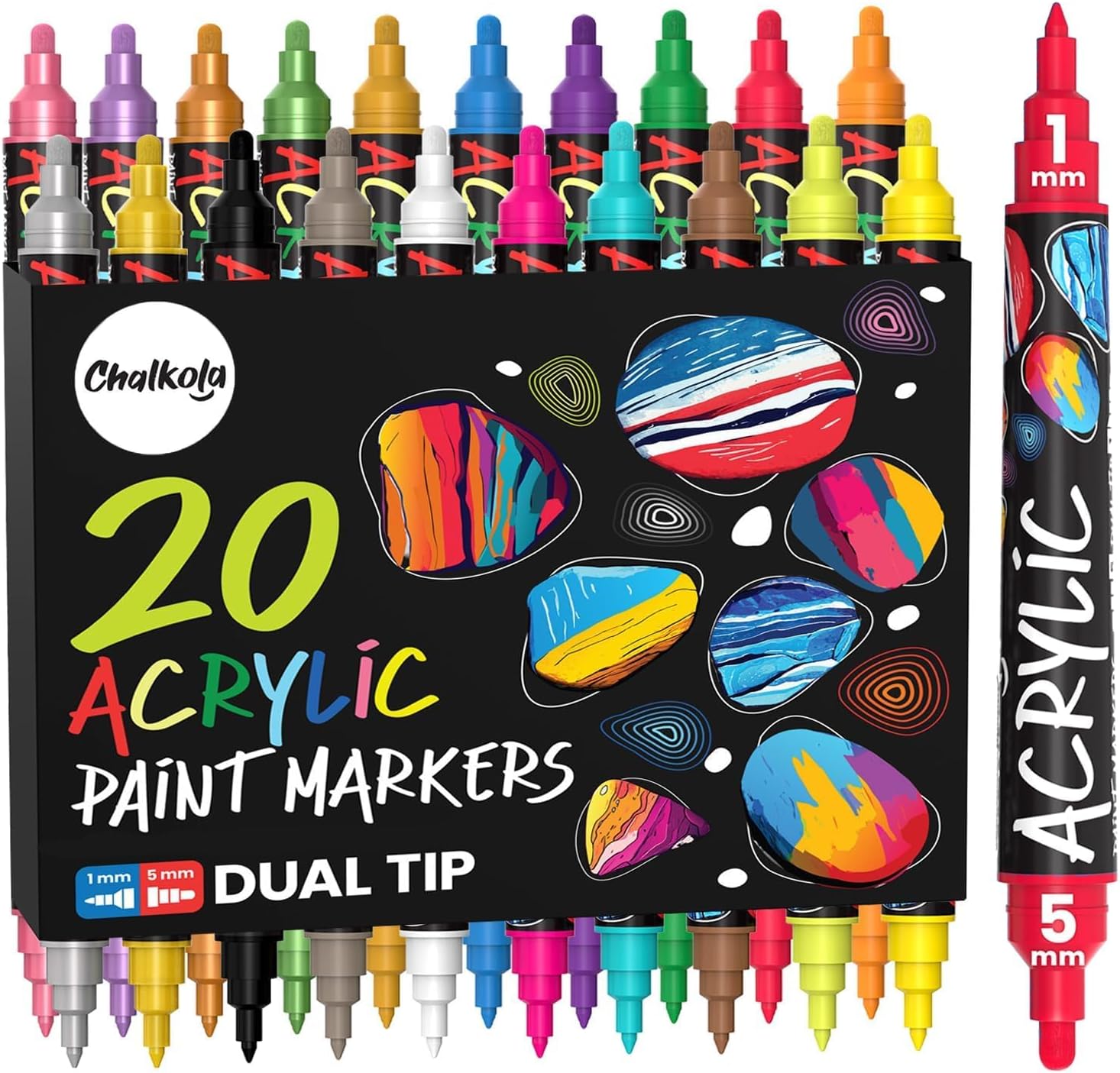
We’re also thrilled that Debbie shared a tutorial video on abstract garden painting using Chalkola Acrylic Paint and Acrylic Paint Markers. It’s not often that we get the chance to learn tips from an award-winning artist and see her at play – so grab your paints, markers, and canvas, and let’s go on a nature-filled art-venture with Debbie Grossman! Materials used:
First, lay down the newspaper. Pick your favorite paint colors. Squirt a dot of each background color in each section that you would like to paint. Spread the paint with a brush. Let dry for an hour.
Paint in your designs using a thin brush with black and white. Let dry for 20 minutes and then go over the white several times. You may sharpen your designs with the acrylic markers. Let dry for 30 minutes.
Now add patterns and details with your favorite colors within each section. Let dry for 20 minutes.
Debbie's abstract garden painting using Chalkola Acrylics
Creating successful abstract garden paintings starts with quality materials. You'll need acrylic paints in a range of vibrant colors—prioritize greens, purples, pinks, yellows, and blues that capture garden energy. Choose several brush sizes including flat brushes for blocking color, round brushes for details, and large brushes for expressive strokes.
Canvas or acrylic paper provides your painting surface; stretched canvas works well for larger pieces while acrylic paper is economical for practice. A palette knife adds texture and allows bold mark-making distinct from brushwork. Keep a spray bottle handy to maintain paint workability, and use a sturdy palette for color mixing.
Chalkola's acrylic paint sets deliver the pigment intensity and blendability needed for layered abstract work. The colors stay vibrant when dry and mix cleanly without muddying—essential qualities when building the complex color relationships that bring abstract gardens to life.
Step-by-Step Abstract Garden Painting Process
1. Establish Your Composition: Start by deciding where visual weight will fall. Sketch loose shapes with a brush and thinned paint to indicate flower clusters, foliage masses, or pathways. This underpainting guides your work without constraining spontaneity.
2. Block in Background Colors: Apply your darkest values first, establishing shadows and depth. Work loosely—abstract garden paintings thrive on energy and movement rather than precision. Let background colors interact and blend on the canvas.
3. Build Middle Tones: Add your mid-value colors, creating the bulk of your garden forms. Vary your brushstrokes to suggest different plant types—vertical strokes for stems, circular motions for flower heads, sweeping gestures for leaves.
4. Layer Highlights and Details: Once your foundation dries, add your brightest colors and smallest details. These highlights catch the eye and create focal points. Thick paint in this stage adds dimensional quality.
5. Refine and Balance: Step back frequently to assess color balance and composition. Add small touches that guide the viewer's eye through the painting. Abstract work benefits from knowing when to stop—preserve the spontaneity that gives garden paintings their life.
Color Theory Tips for Abstract Garden Art
Understanding color relationships elevates abstract garden paintings from random to intentional. Complementary colors—opposites on the color wheel like purple and yellow—create vibration and energy when placed side by side. This technique makes floral elements pop against foliage.
Analogous colors (neighbors on the wheel) create harmony and flow. A palette of yellow-green, green, and blue-green suggests lush foliage while maintaining visual unity. Temperature contrast also matters: warm colors (reds, oranges, yellows) advance toward the viewer, while cool colors (blues, purples, greens) recede, helping establish depth without perspective drawing.
Don't fear saturation in abstract work. Gardens burst with intense color, and your paintings can too. Mix colors directly on canvas for more organic transitions, and leave some brushstrokes unmixed to create visual texture. White and light values act as rest areas for the eye—use them strategically to prevent overwhelming the viewer.
READY TO PAINT? GRAB THE STARTER SET
Chalkola Acrylic Paint Set for Adults & Kids
★★★★★4.7 · 392 Amazon ratings
$39.94 USD
All-in-one Painting Set — Embrace creativity with 32 acrylic paints tubes (22ml), 10 Paint Brushes, 10 Art Canvas - [5x] 8x10 canvas board, [3x] 5x7 canvas, [2x] 4x4 small canvas, Palette, Knife, Sponge, 1x Wooden Easel
32 Artist Grade Paints — 32 premium paints for canvas painting that deliver vivid and vibrant pigment. Acrylic Ink tubes in this paint supplies set come in separate boxes for neat storage of art paints.
Acrylic Paint Set with Easel — This artist paint kits for adults comes with a multi-purpose paint easel that is light-weight, easy to use and makes it easier to paint various surfaces
10 Variety Canvas Panels — These paint canvases for painting are 100% Cotton, prepped and primed with 8 oz. of acid-free titanium gesso. Made of durable MDF to prevent your work from bending or warping
💰 Use code CHK10OFF at checkout · save 10% on this order
"I got this for my wife and I to have Sip and Paint. The set is the perfect date night to have with your significant other or just friends and family. …"
— Joseph C. · ★★★★★ · Verified Purchase, Amazon review, Apr 2026
What painters say about Chalkola acrylics
4.7★
Amazon rating
1,262
Amazon ratings
94%
rate it 4★ or 5★
82%
5★ ratings
★★★★★
"This is a great deal , it has everything needed to start painting as i am a beginner and this kit i am 300% pleased with."
David · Verified Purchase · Amazon review, Jan 2026 Review of the Chalkola 56-Piece Acrylic Paint Set
★★★★★
"These black canvases are so fun! It’s a nice change from the usual white backgrounds and gives artwork a whole new look. My kids and I really enjoyed experimenting with them, great quality and super creative."
MeganKingMama · Verified Purchase · Amazon review, Nov 2025 Review of the Chalkola 20 Canvas Panels
★★★★★
"This was a great paint set. I bought it for myself and a friend to paint ceramics."
Kara C. · Verified Purchase · Amazon review, Jun 2026 Review of the Chalkola 56-Piece Acrylic Paint Set
★★★★★
"Love this i buy my kids other things for any gifts. They love to paint a few times a month we paint in the winters here in Alaska"
Wolverine · Verified Purchase · Amazon review, Mar 2026 Review of the Chalkola 20 Canvas Panels
Ratings: Chalkola 40-Piece Acrylic Paint Set on Amazon.com, September 2026. Quotes are verified Amazon reviews, shown as written.
Abstract garden painting interprets flowers, foliage, and natural landscapes through color, shape, and emotion rather than realistic representation. Artists use bold brushstrokes, vibrant hues, and expressive techniques to capture the feeling of a garden without painting every botanical detail accurately.
High-quality acrylic paints with strong pigment saturation deliver the vivid colors essential to abstract garden art. Look for paint sets that include vibrant greens, purples, pinks, and blues. Professional-grade acrylics blend smoothly and maintain color intensity when layered, which is critical for creating depth in floral abstracts.
Begin by blocking in your background colors and establishing your composition's flow. Start with loose shapes that suggest garden elements—leaf clusters, flower masses, pathways—then build up layers of color and texture. Work from dark to light, adding highlights and details in later stages to create visual depth.
Layering thick paint, using palette knives, dry brushing, and splattering create rich texture in abstract garden paintings. Varying brushstroke directions mimics natural growth patterns, while impasto technique with heavy acrylic application adds three-dimensional quality. Combining smooth washes with textured foreground elements helps establish depth.
Absolutely. Abstract garden painting is highly accessible to beginners because it doesn't require photorealistic drawing skills. Focus on expressing the emotional energy of a garden through color and gesture. Start with simple compositions featuring three to five colors, then gradually experiment with layering, blending, and adding complexity as confidence builds.
Select colors that evoke the mood you want rather than copying nature exactly. Vibrant, saturated hues convey life and energy. Start with a limited palette of complementary colors—like purple and yellow or blue and orange—then add accent colors. Warm tones advance visually while cool tones recede, helping establish spatial depth.
subscribe to receive special offers and new art ideas